Marylebone Cleaners in Marylebone

Marylebone Cleaners provides cleaning services in Marylebone for homes, shared properties and small businesses that need a careful, orderly service delivered around the way they use their space. The focus is on practical cleaning work that helps rooms look presentable, feel fresh and stay easier to manage day to day. That can include regular domestic cleaning, one-off deep cleaning, specialist carpet and upholstery care, and other related tasks from the same trade.
For many customers, the most useful starting point is to match the service to the condition of the property. A lighter visit may suit a maintained flat, while a more detailed clean may be better where dust, grease or general build-up has gathered over time. We handle straightforward cleaning priorities in a clear, organised way, and we can also support places that need attention to specific items such as ovens, hard floors, rugs or windows.
When you are ready to compare options, a plain enquiry is usually the simplest next step. If you are planning a visit to the property, a room list or brief description of what needs attention can help shape the scope quickly. Use the service that best fits the condition and layout of the space rather than assuming a single cleaning approach will cover everything. A tailored quotation is often the best way to confirm what is sensible for the job.
Regular and one-off cleaning
Regular cleaning is the most familiar option for households that want the basics kept under control with consistent attention to key rooms. It usually centres on dusting, vacuuming, wiping accessible surfaces, tidying visible marks and keeping kitchens and bathrooms in a clean, usable state. One-off cleaning is different: it is designed for properties that need a stronger reset, perhaps after a busy period, ahead of guests or simply when routine care has not been enough.
Both approaches can be adapted, but they work best when the scope is stated clearly. A one-off visit may place more emphasis on detail in corners, edges and awkward spots, while regular cleaning tends to focus on maintaining standards rather than reaching every hidden area each time. If you are unsure which route is right, think first about the result you want rather than the number of tasks on the list.
Typical tasks within this part of the service include:
- dusting and wiping reachable surfaces;
- vacuuming and floor care for everyday upkeep;
- kitchen and bathroom cleaning where hygiene matters most;
- removing surface marks from fittings and touchpoints;
- attention to the areas that are most visible to residents or visitors.
Deep cleaning for a fuller reset

Deep cleaning is the more detailed side of the work, and it is usually the right choice when a room needs closer attention than a standard visit provides. It may involve working methodically around skirting, switches, frames, fixtures and the less obvious places where grime tends to collect. This is not the same as a routine tidy-up; it is a more deliberate pass through the property that aims to lift the overall standard.
In practice, deep cleaning is often most useful where there has been a gap between proper cleans, where a tenancy change is approaching, or where specific rooms need extra effort because they are used heavily. The value of the service is in the detail: removing build-up, improving appearance and leaving a space easier to maintain afterwards. Deep cleaning can be arranged as a focused visit when the property needs more than everyday upkeep.
Because deep cleaning is broader, the exact scope matters more than with a routine clean. It is sensible to identify priority areas first, then decide whether the whole property or only selected rooms need the detailed treatment. A clear brief helps avoid duplication and makes the finished result more predictable.
Kitchen, oven and appliance cleaning
Kitchens often require the most careful approach because grease, food residue and steam can affect many different surfaces at once. A good kitchen clean usually pays attention to worktops, cupboard fronts, sinks, splash zones and the handled areas that are touched throughout the day. Where appliances need separate attention, those can be treated as individual tasks rather than being folded into a general wipe-down.
Oven cleaning is a common example. It is usually best tackled as a distinct task because built-up residue inside the oven can need more time and more targeted products than the surrounding kitchen surfaces. A separate oven clean can help restore a cooker that has become difficult to maintain by ordinary means. Oven cleaning is therefore a sensible addition when the inside of the appliance needs more than a quick surface clean.
Oven cleaner is another relevant option when the aim is to focus on the appliance itself rather than the whole room. In a commercial context, this kind of work is often grouped with cleaning around hobs, extractor areas and adjacent surfaces so the kitchen looks coherent rather than partially refreshed.
Carpet, rug and upholstery care

Soft furnishings and floor textiles benefit from specialist care because regular vacuuming only removes part of what settles into fibres. Carpet cleaning can improve the appearance of traffic lanes, help lift embedded dirt and reduce the dull look that builds up in busy areas. Rugs often need similar treatment, although their material, construction and backing may call for a more cautious approach than wall-to-wall carpet.
Upholstery cleaning is the natural companion to carpet work when sofas, chairs and other fabric-covered items need attention as well. Different fabrics absorb marks and dust in different ways, so the method has to suit the item rather than rely on one standard routine. Carpet cleaning and upholstery cleaning are both useful when the aim is to improve the appearance of the soft surfaces that shape how a room feels.
Some customers only need a single item handled; others want several textile surfaces dealt with together so the room has a more even finish. The practical decision is usually whether the fibres are merely tired-looking or whether there is visible soiling that justifies a more thorough service. Either way, the benefit lies in restoring texture, colour and presentation with a measured approach.
Hard floors, windows and finishing touches
Hard-floor cleaning is valuable where tiles, sealed wood, vinyl or similar surfaces have lost their clean appearance through daily use. These floors often need a different treatment from carpet because the concern is not extraction from fibres but the removal of film, footprints and dulling residue. The right care can improve slip resistance, brighten the room and make the whole property look better maintained. Hard floor cleaning suits spaces where floor appearance is a visible part of the overall impression.
Window cleaning can be arranged as part of a broader visit or as its own task when glass, frames and accessible external or internal panes need attention. Clean windows make an immediate difference to light levels and presentation, especially in rooms where natural light plays a major part in the feel of the space. Window cleaning is often most effective when it is planned alongside the other surfaces that frame a room.
For properties that need several finishing tasks together, the most efficient approach is to group them by surface type. That keeps fabric care, hard-floor treatment and glass cleaning distinct, which in turn makes it easier to set priorities and avoid missing any important detail.
End of tenancy and after builders cleaning
Move-related cleaning is usually more exacting than everyday maintenance because the property has to be left in a condition that feels properly finished. End of tenancy cleaning generally involves a thorough clean of accessible rooms, fittings and surfaces so that the space is ready for the next occupant. It may include kitchens, bathrooms, floors, cupboards and areas that are easy to overlook when the property is still in use.
After builders cleaning is different again, because the main issue is dust, residue and debris left behind following work on the property. That can mean careful removal from surfaces, floors, ledges and fixtures where fine dust settles after the main work is complete. End of tenancy cleaning and after builders cleaning are both sensible when the condition of the property has changed enough that ordinary cleaning is no longer sufficient.
It helps to separate the visible finishing work from the heavier clean-up stage. That way, the cleaner can focus on restoring order rather than simply moving dust from one place to another. Where necessary, the scope can be shaped around the rooms that matter most first, then expanded if the full property needs more attention.
Domestic cleaning and house cleaning choices

Domestic cleaning and house cleaning cover the general care of lived-in homes, from everyday maintenance through to more targeted help in specific rooms. These services are useful when you want consistent support without turning the clean into a large-scale project. The work may include dusting, vacuuming, wiping, bathroom care and kitchen maintenance, with the emphasis placed on the rooms that see the most use.
Domestic cleaning is often the better label when the brief is centred on the household routine, while house cleaning can be a helpful phrase for broader home care. The practical distinction is usually not dramatic; what matters is the level of support needed and how often the property needs attention. Some people want a lighter, regular clean, while others want more hands-on help after a period of neglect.
For home cleaning to be useful, the tasks should be arranged in a sensible order. Kitchens and bathrooms usually come first because they have the highest hygiene demands, then living areas, bedrooms and circulation spaces can be covered afterwards. That order helps the clean feel more complete and gives the property a more settled finish.
Commercial cleaning for offices and shared spaces
Offices and other shared business areas benefit from a cleaning routine that is reliable, discreet and suited to regular use. Office cleaning usually focuses on desks, floors, bins, touchpoints, kitchenettes and washrooms, with the aim of keeping the space presentable for staff and visitors. It is less about dramatic transformation and more about maintaining a professional standard across the areas that matter every day.
Office cleaning can be arranged around the way the premises are used, whether the space is compact or spread across several rooms. In some settings, office cleaners may be needed for recurring attention to communal areas, while a one-off visit can suit a refresh after a busy period or before an important date. The main goal is to keep the working environment orderly without disrupting normal activity more than necessary.
If you are comparing options for a workplace, think about circulation routes, shared touchpoints and the rooms that staff use most. Those areas usually tell you where cleaning has the greatest visible effect. A structured plan is especially useful in buildings where several people use the same kitchen, meeting rooms or washrooms during the day.
About Marylebone
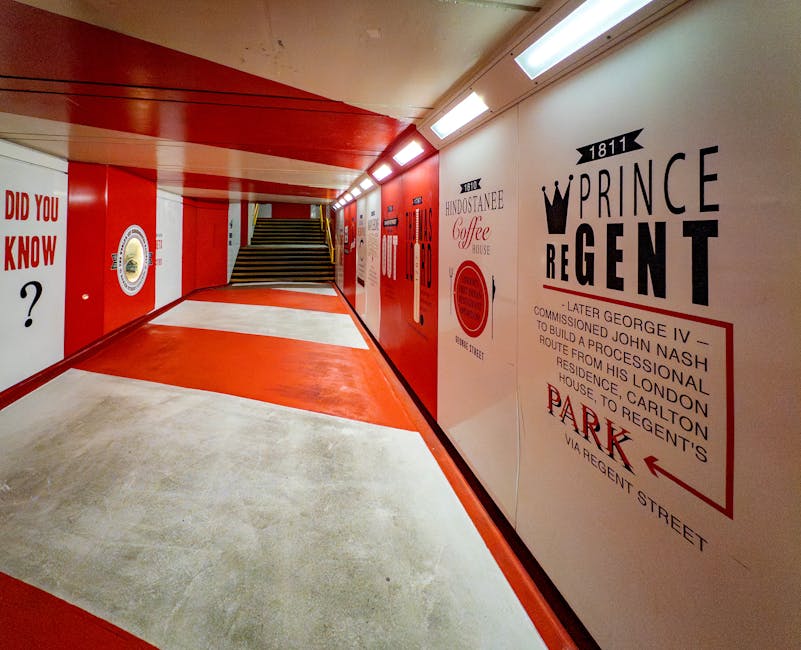
Marylebone is a district in central London, forming part of the City of Westminster and known for its mix of residential streets, medical institutions, shops and cultural attractions. It sits to the west of Regent’s Park and north of Mayfair, with Oxford Street close to its southern edge. The area’s street pattern is more ordered than that of many older London districts, a result of Georgian planning that gave Marylebone a notably elegant layout of squares, terraces and mews. Much of the neighbourhood’s character comes from this historic urban fabric, which remains visible even as the area has changed over time. Marylebone High Street acts as a social and commercial spine, linking independent retailers, cafes and services with quieter side streets. Nearby, Cavendish Square and Manchester Square reflect the district’s planned Georgian heritage, while the Wallace Collection, housed in Hertford House on Manchester Square, adds a major cultural landmark to the area. Baker Street, although often associated with the wider Marylebone name, is another well-known route with a strong identity of its own, and its connection to the Sherlock Holmes stories has made it internationally recognisable. Green space is never far away: Regent’s Park, with its broad avenues, gardens and recreational facilities, offers a contrast to the denser built environment to the south and east. The district also has strong transport links, including Marylebone station and several Underground connections, which have helped sustain its role as both a residential quarter and a place of work, study and leisure. Marylebone’s appeal lies in that combination of urban sophistication, historic architecture and everyday practicality.
Preparing a quotation and choosing the right scope
When a customer asks for a quotation, the most useful information is usually the basic shape of the job rather than a long explanation. The size of the property, the number of rooms, the condition of the surfaces and any items that need special attention all help define what is realistic. A clear brief makes it easier to decide whether the work should be quoted as a routine clean, a deep clean, a specialist treatment or a combination of several services.
In some cases, it is helpful to separate the main clean from the specialist additions. For example, carpet care, upholstery work, oven treatment and window cleaning may be priced or planned alongside a general clean, but they are still distinct tasks and should be treated that way in the discussion. If you only need one or two of those services, it is usually better to say so directly than to assume they will be included by default. A simple summary can save time and reduce confusion. pricing and quotes is a useful starting point when you want to turn that summary into a clear request.
Before sending the request, it can also help to note any access limitations, fragile materials or areas you do not want touched. That keeps the quotation grounded in the real job rather than in general assumptions. Contact us to discuss your cleaning requirements in Marylebone. If you want to proceed, contact us with the details and we will help you move toward the right service arrangement.
Service standards, support and useful policies

A good cleaning service depends on clear expectations as much as on physical work. Practical support is easier when both sides understand the priority rooms, the surface types involved and any items that need care. That is why simple, direct communication is useful at the outset: it keeps the focus on the cleaning itself and avoids last-minute changes that may affect the result. Where a property needs attention to safety, access or payment arrangements, it is better to confirm that early.
Some customers also like to review the information that explains how a company works behind the scenes. For that reason, we make policy pages available for points such as payment, insurance, privacy, sustainability and service expectations. These pages do not change the cleaning task itself, but they can be useful when you want to understand the practical framework around the service. The relevant pages include insurance and safety, payment and security and recycling and sustainability.
If you are still deciding what to ask for, you can keep the first step brief and then build from there. A short note about the rooms, the surface types and the level of detail you want is enough to begin. Request a quotation when you are ready and we can move from the general discussion to a more precise cleaning plan for your property.